The week before weigh-in is not the time for mystery drenches, giant feed changes, or optimistic scale math. Start with an actual weight. Then separate what the lamb can realistically gain from what can safely come from feed, water, and gut fill.
A lamb that needs nearly 10 pounds in seven days is not going to build 10 pounds of muscle and fat. Some weight may come from growth. The rest has to come from normal hydration and a fuller digestive tract. That can work, but only if the lamb keeps eating and drinking.
You cannot force useful weight onto a lamb that has stopped eating.
Start With an Honest Weight
Weigh him today before changing anything.
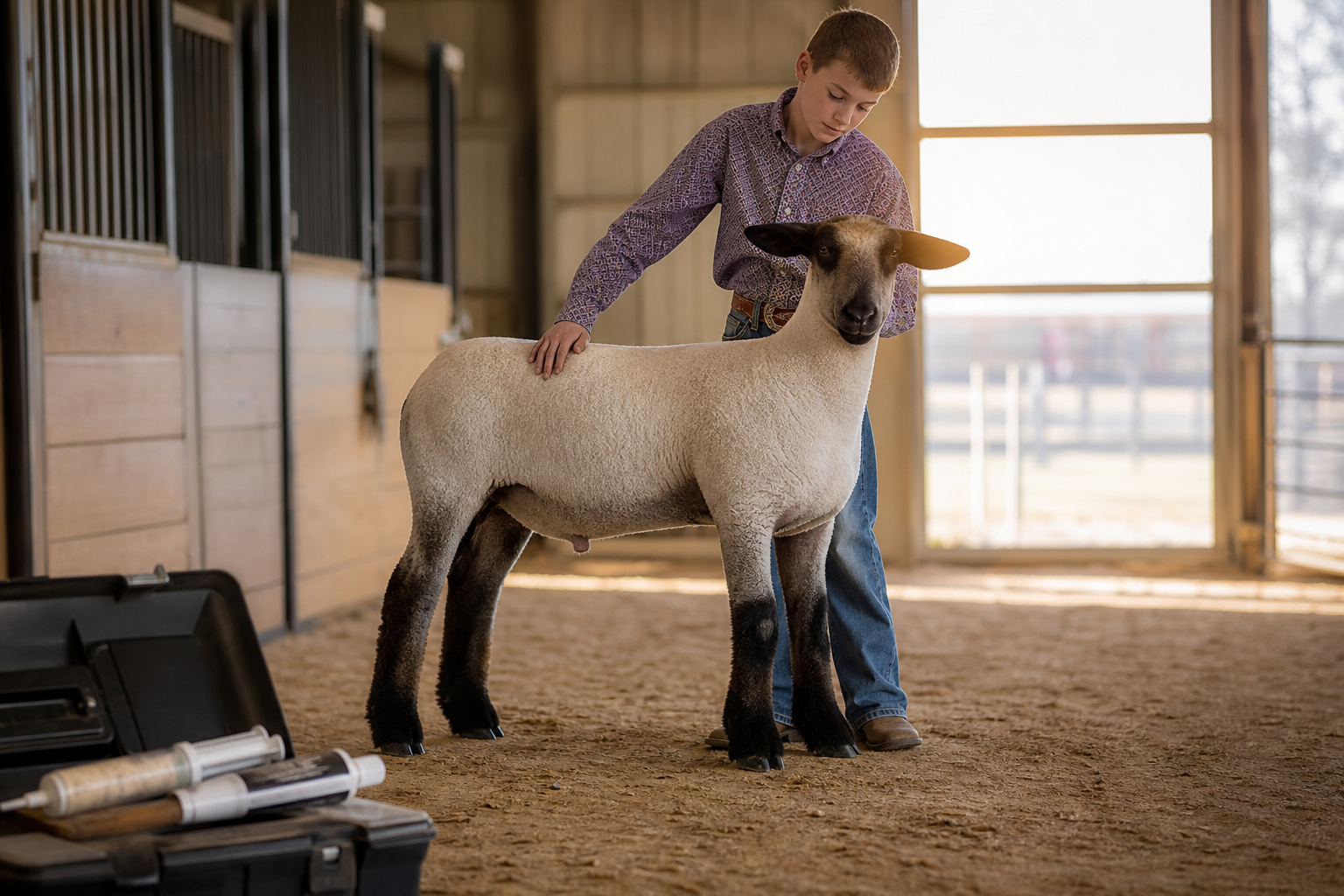
Use the same scale, at the same time of day, under the same conditions. Morning before feed is the cleanest baseline. Record the weight instead of trusting memory.
Then get a full weight that evening after he has eaten and watered normally. Repeat the morning and evening weights for several days. That tells you:
- His actual daily trend
- How much weight he carries in feed and water
- How much he loses overnight
- Whether a ration change is helping or hurting
- How much cushion you need for the official scale
Check the show rules too. Know the minimum, the weigh-back tolerance, when weight cards are due, and whether the show scale has been available for comparison. Your barn scale and the official scale may disagree. Scales have no respect for confidence.
Know Where the Weight Can Come From
Final-week scale weight comes from three places:
Bodyweight gain is real tissue growth. It takes feed, time, and genetics. You can support it, but you cannot order 7 pounds of it by show day.
Hydration is normal water held throughout the body and digestive tract. A lamb drinking consistently will weigh more and look better than one that has been pulled off water.
Gut fill is feed, forage, and water inside the digestive system. It is legitimate scale weight, but it must be built gradually. Too much roughage or feed at once can cause loose manure, bloat, reduced intake, or a lamb that simply quits the bunk.
The goal is not to stuff him. The goal is to have him fully fed, fully watered, and still comfortable.
A Practical Final-Week Plan
Push Intake Without Blowing Up the Ration
Feed the ration he already knows. This is not the week for a complete feed swap.
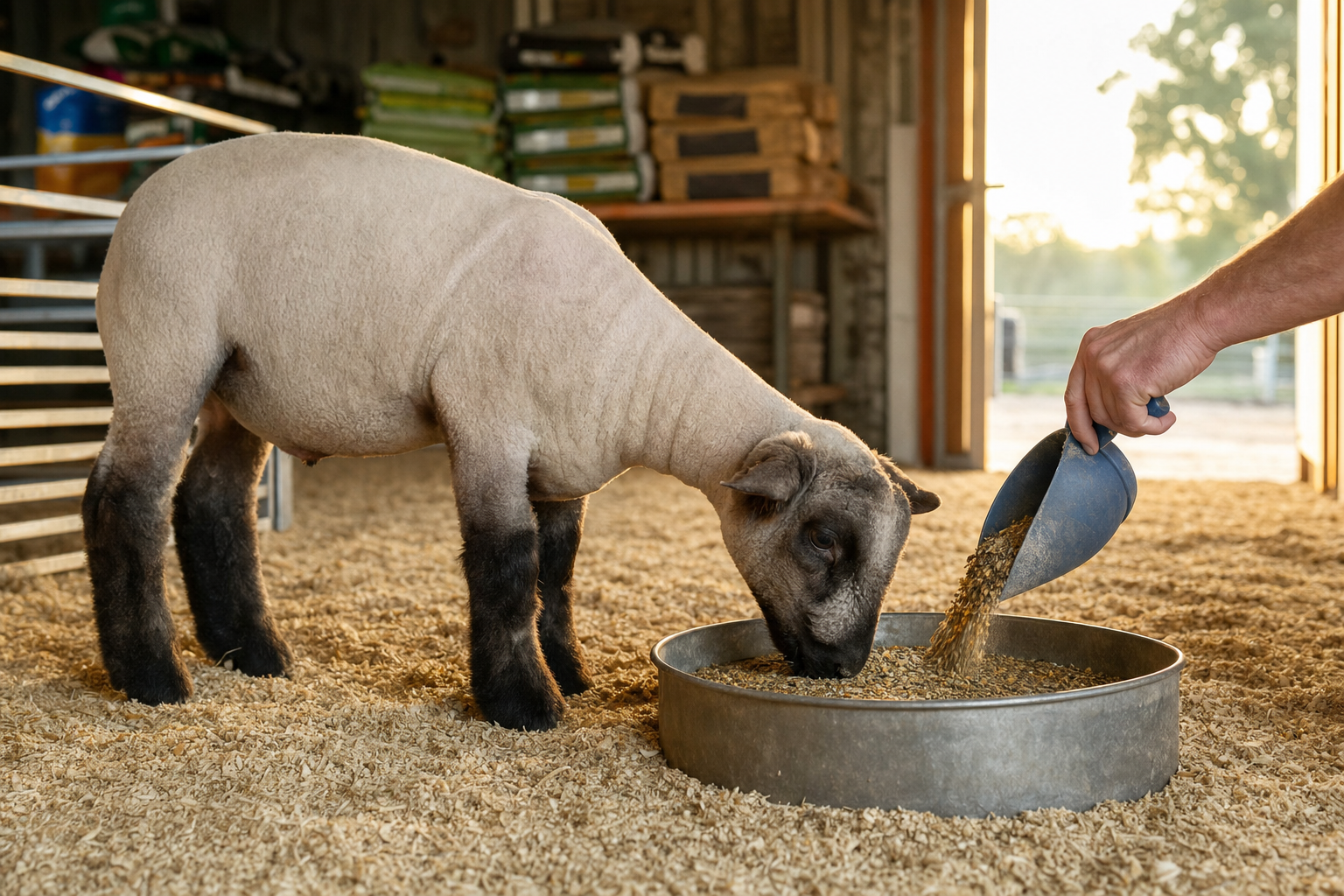
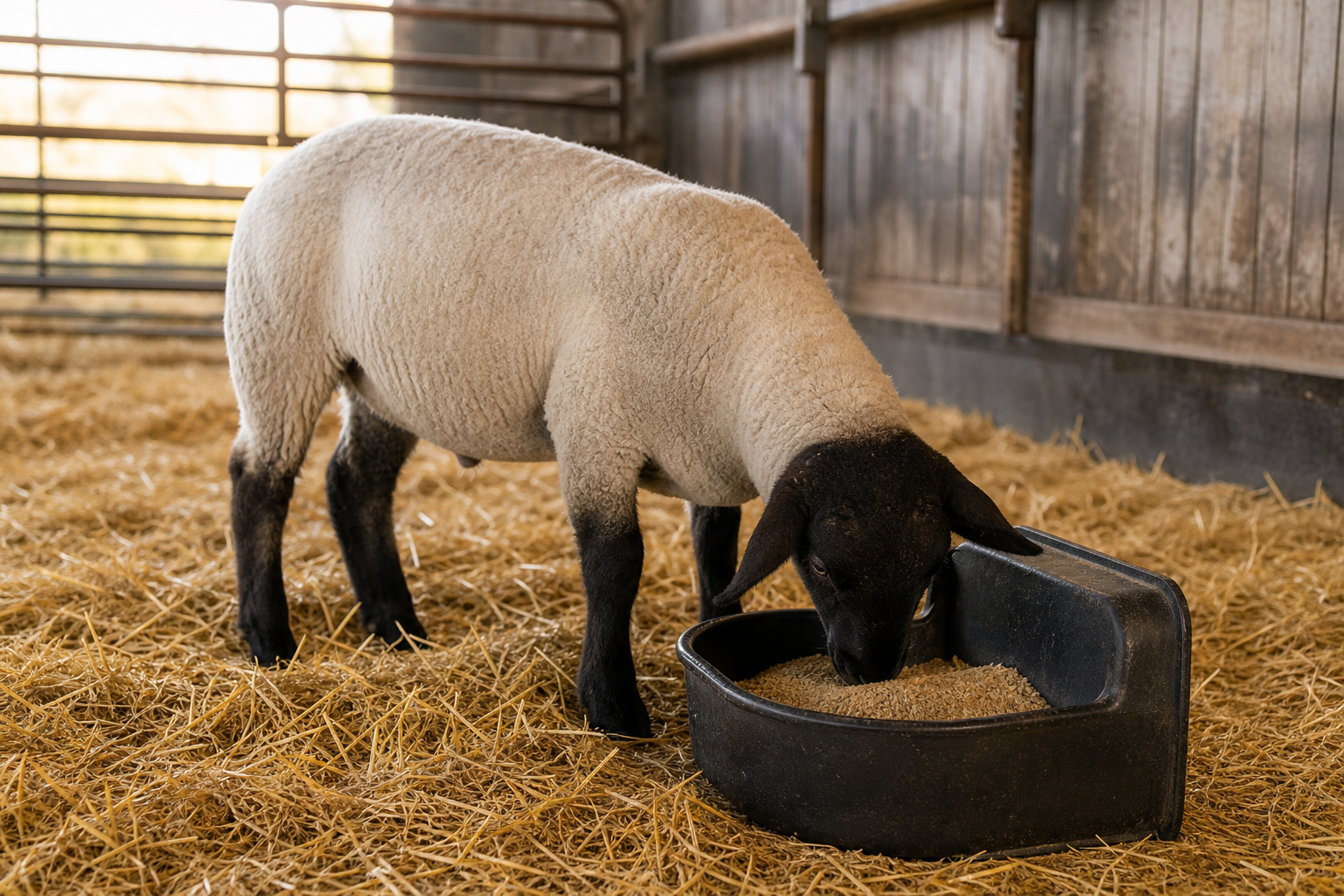
Three smaller meals often work better than two oversized meals when you are trying to increase total intake. Keep the bunk clean. Old feed and fines reduce interest, especially in hot weather.
If he cleans up consistently, increase feed in small steps. If he leaves feed, do not add more because a calendar says you should. Leftovers are the lamb voting against your program.
A little additional energy can support gain when the lamb is already eating well.
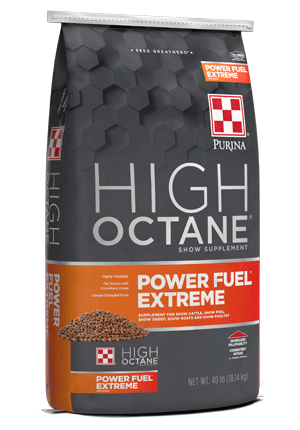
Power Fuel is a high-fat energy topdress labeled for lambs at 4 to 8 ounces per day. The label calls for blending it in over 10 to 14 days. If the lamb is not already eating it, the final week is too short to rush straight to the top end. Start low, read the package, and protect intake.
This is a management product, not bottled bodyweight. The base ration, appetite, water, and time still do the work.
Add Fill Gradually
A roughage-based feed can increase digestive fill and improve depth of body, but it must be introduced slowly.
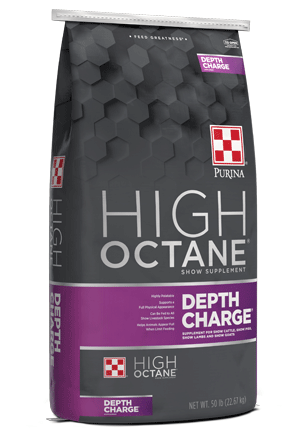
Depth Charge is labeled for lambs at 1 to 3 pounds per day, beginning at half the daily minimum and increasing gradually. That means starting around 1/2 pound, not dumping 3 pounds into a lamb that has never seen it.
Treat it as part of the total feeding program. Watch manure and appetite after every increase. If he starts scouring, gets tight through the flank, or backs away from his regular feed, you have pushed too fast. More product is not the cure for a product problem.
Do not confuse a bigger belly with better handling. Fill can move the scale and add capacity, but it will not create muscle shape or correct structure.
Keep Water Available
Do not dehydrate a lamb and then try to super-hydrate him before weigh-in. That stunt can leave him flat, stressed, unwilling to drink, or heavier than expected at the wrong time.
Keep fresh water available all week. If the show water smells or tastes different, haul water from home when rules and logistics allow. Some lambs drink poorly in a strange barn, and a lamb that will not drink is hard to fill safely.
Heat changes the whole plan. In hot weather, feed during the cooler morning and evening hours. Keep air moving, provide shade, and avoid hard exercise. A hot lamb will often sacrifice feed intake before anything else.
Use Sheep Mineral, Measured Correctly
A proper sheep mineral supports the ration. It does not add several pounds in a week, and pouring extra mineral into the feed will not speed things up.
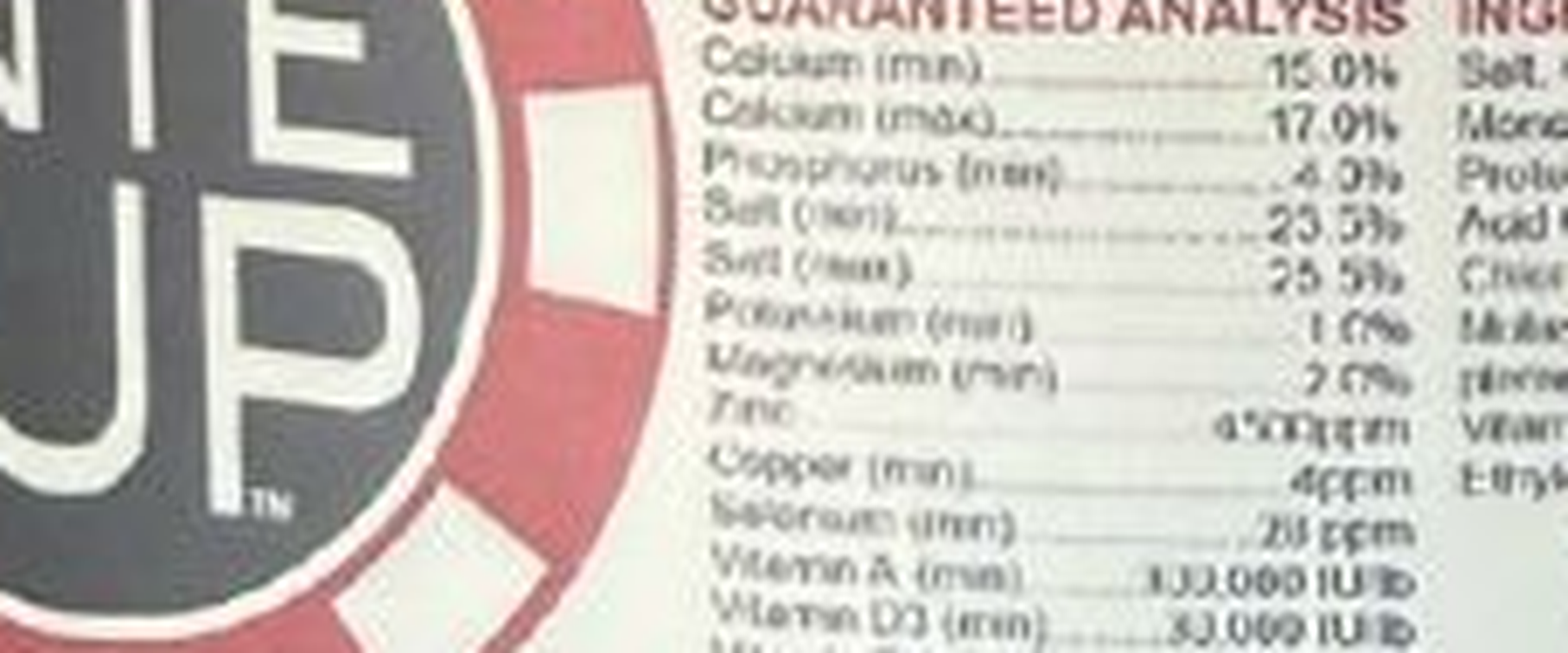
Ante Up Show Lamb Mineral is labeled at 0.5 to 1 ounce per head per day. Measure it. Follow the package. Keep fresh water available.
Back Off the Exercise
The final week is not conditioning camp. Hard treadmill work, long runs, and repeated bracing sessions burn calories and can reduce appetite.
Use short, easy brace work to keep him responsive. Keep normal movement in his day, but save his energy for eating, drinking, resting, and gaining. If he is soft over his top, that is a separate management problem. Trying to strip cover while chasing a minimum weight is pulling in both directions.
Know When the Math Says No
A lamb within a few pounds of the minimum may have a real shot through normal gain, hydration, and tested fill. A lamb still 7 or 8 pounds short two days before weigh-in is not going to manufacture that much useful bodyweight through feed management.
Do not wreck the lamb trying.
Keep weighing. Use the full and empty numbers you collected. Aim for a cushion because the official scale may not match yours. If the only way to reach the minimum requires a massive meal, forced fluids, or a sudden ration change, the plan is already too thin.
- Get same-scale morning and evening weights before changing the ration.
- Push feed in small steps, and protect appetite above everything else.
- Build hydration and gut fill gradually. Do not dehydrate and rebound.
- Feed measured sheep mineral only, and keep a cushion for the official scale.