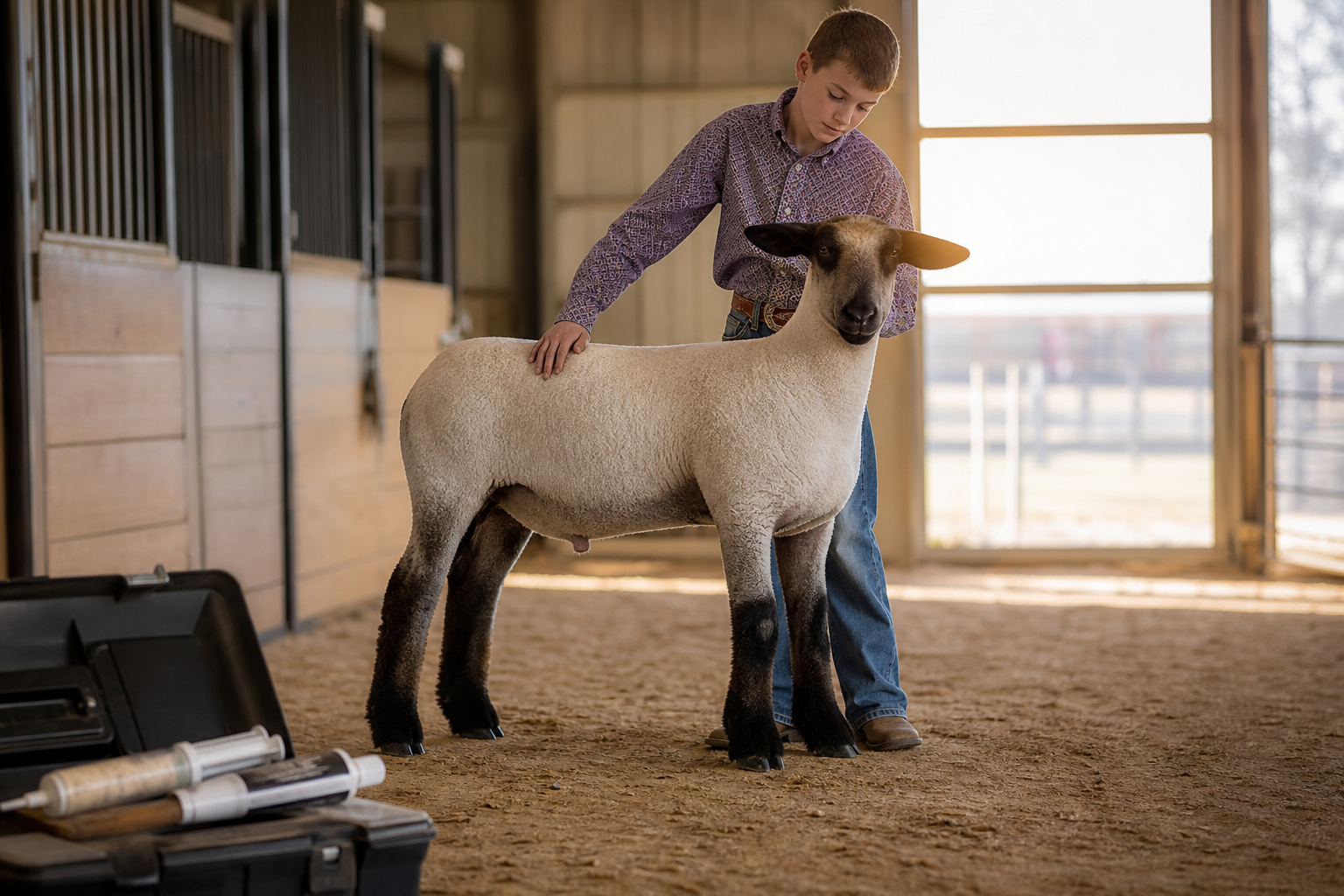
Whether the shag was removed for treatment, contamination, or a fitting mistake, first determine why it had to come off and whether the underlying skin problem has resolved. The first instinct may be to change feed, buy a regrowth product, or keep trimming uneven regrowth to make the legs match. Resist those impulses. If the skin and follicles are healthy, the most useful things you can provide are time, consistent nutrition, and protection from further irritation.
Skin health and time grow shag—not a magic powder.
Start With an Honest Timeline
Shag regrows gradually over weeks, not days, and the rate varies by lamb and conditions. Genetics, season, temperature, health, nutrition, friction, and how closely the area was sheared can all affect what you see.
If a show is only days away, there is no responsible feeding trick or topical product that will produce several weeks’ worth of natural regrowth.
That does not mean the lamb is ruined. It means your job has changed. Instead of trying to manufacture length, focus on:
- Keeping the skin healthy
- Preventing additional shearing or breakage
- Maintaining the lamb’s normal feed and water intake
- Presenting the animal cleanly and honestly
- Putting your effort into showmanship and the parts you can still improve
Look at the Skin Before You Blame Slow Growth
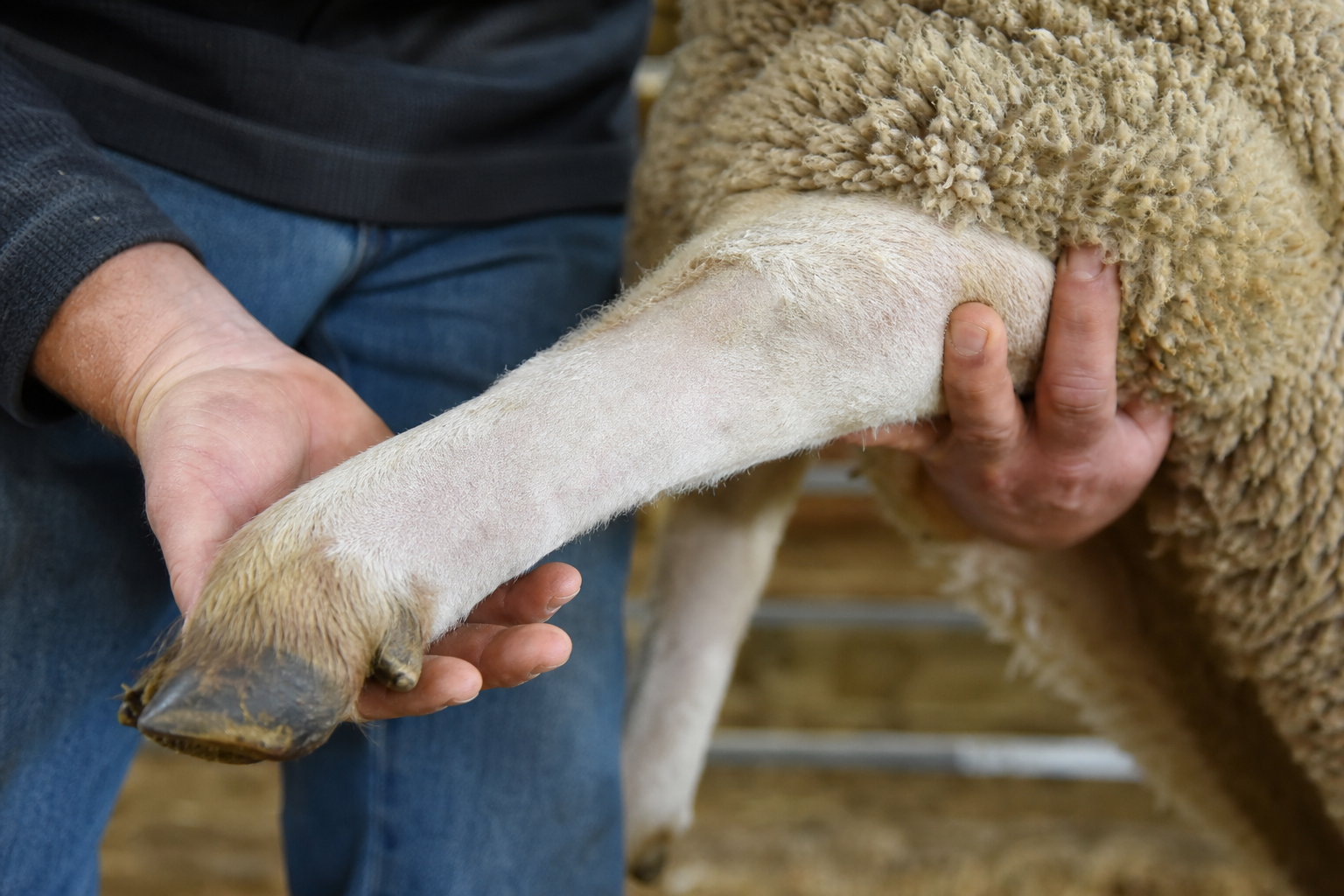
Part the remaining leg wool and inspect the entire sheared area in good light. Healthy skin should look calm and feel normal. Take a closer look if you find:
- Redness or heat
- Flaking or heavy dandruff
- Raised, circular, or crusted spots
- Weeping areas or open sores
- Thickened skin
- Persistent rubbing, biting, or stamping
- Lice, eggs, or other visible parasites
Inflammation, infection, parasites, or repeated rubbing can interfere with or obscure normal shag regrowth. Shearing irritation can cause redness, but fungus, external parasites, and other skin problems may look similar at first. Do not guess and begin stacking random treatments. Separate a lamb with suspicious lesions from shared equipment and other animals, then contact your veterinarian.
Club lamb fungus is especially important because it can spread to people as well as other sheep. Mississippi State University Extension notes that lesions are often found on the head, neck, and back, may begin as small circular spots, and can be spread through contaminated facilities or equipment. Gloves, isolation, dry housing, and veterinary guidance are sensible precautions when fungus is suspected (extension.msstate.edu).
Clean and disinfect shears, combs, brushes, blankets, fitting stands, and other shared equipment. Do not keep running shears across an irritated patch to “even it up.”
Put the Shears Down
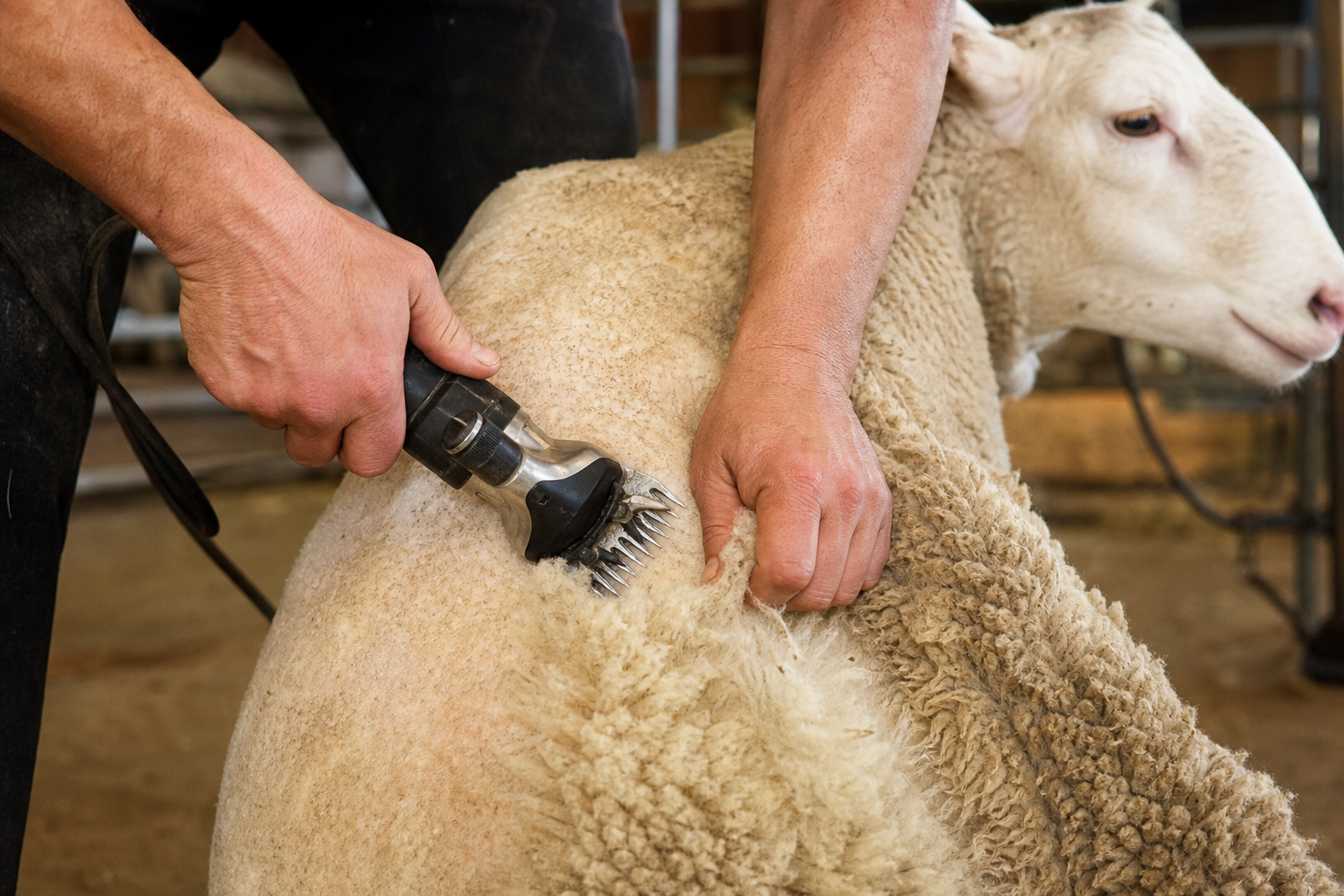
Shearing the area again removes whatever visible length has regrown and may further irritate the skin, so leave it alone unless a veterinarian directs otherwise.
If you are unsure whether the area has grown, take a clear photo every three or four days from the same distance and angle. Daily inspection is useful for skin health, but daily comparison can make normal, slow growth feel like no growth at all.
Avoid frequent washing, too. Naturally occurring lanolin helps protect sheep skin, and excessive washing and shearing can increase susceptibility to club lamb fungus, according to Mississippi State University Extension (extension.msstate.edu). Follow your show’s fitting expectations, but do not repeatedly scrub the short area because you are anxious about it.
If the lamb must be washed, rinse thoroughly and get her completely dry. Damp lower legs are not a regrowth program.
Feed the Lamb, Not the Panic
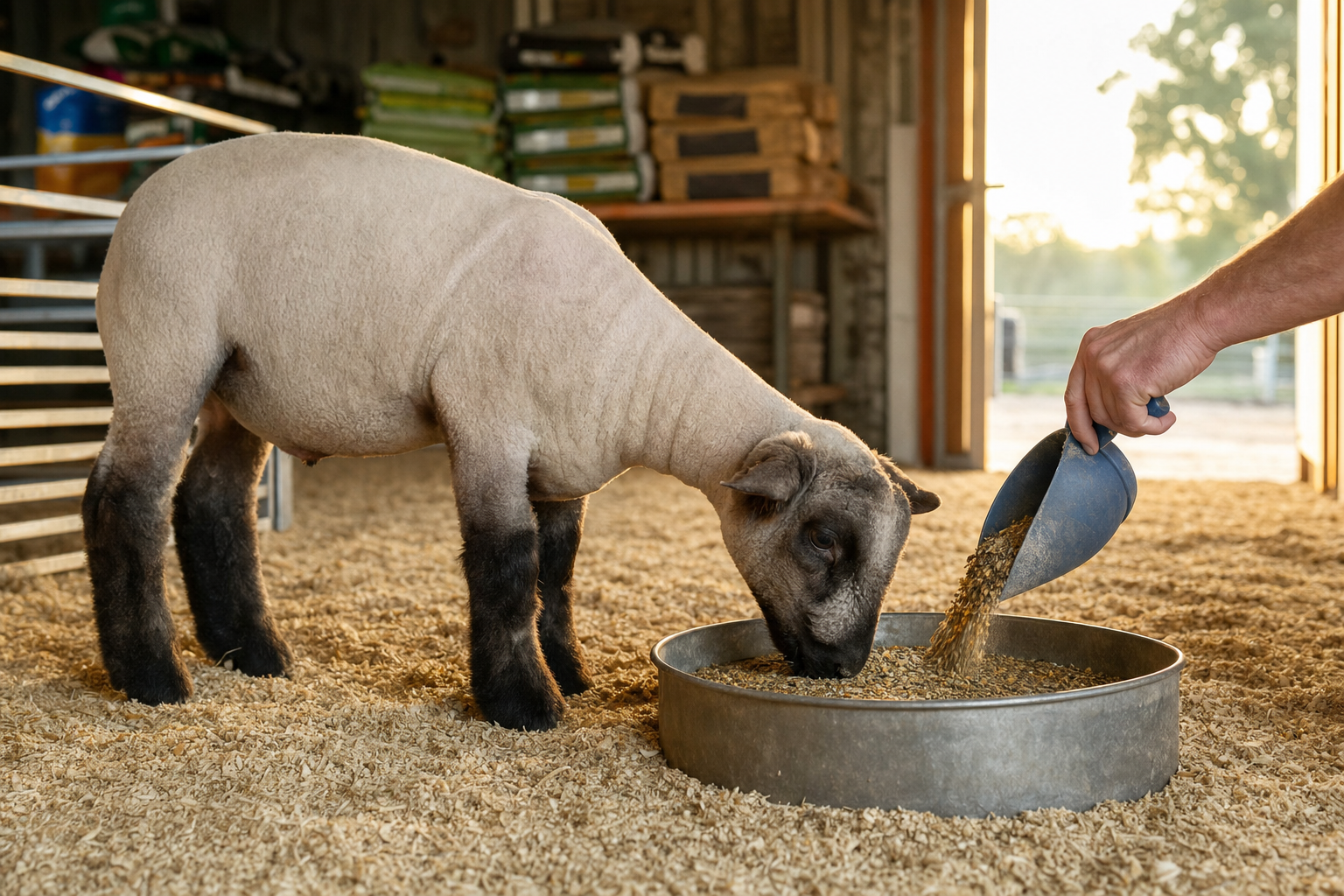
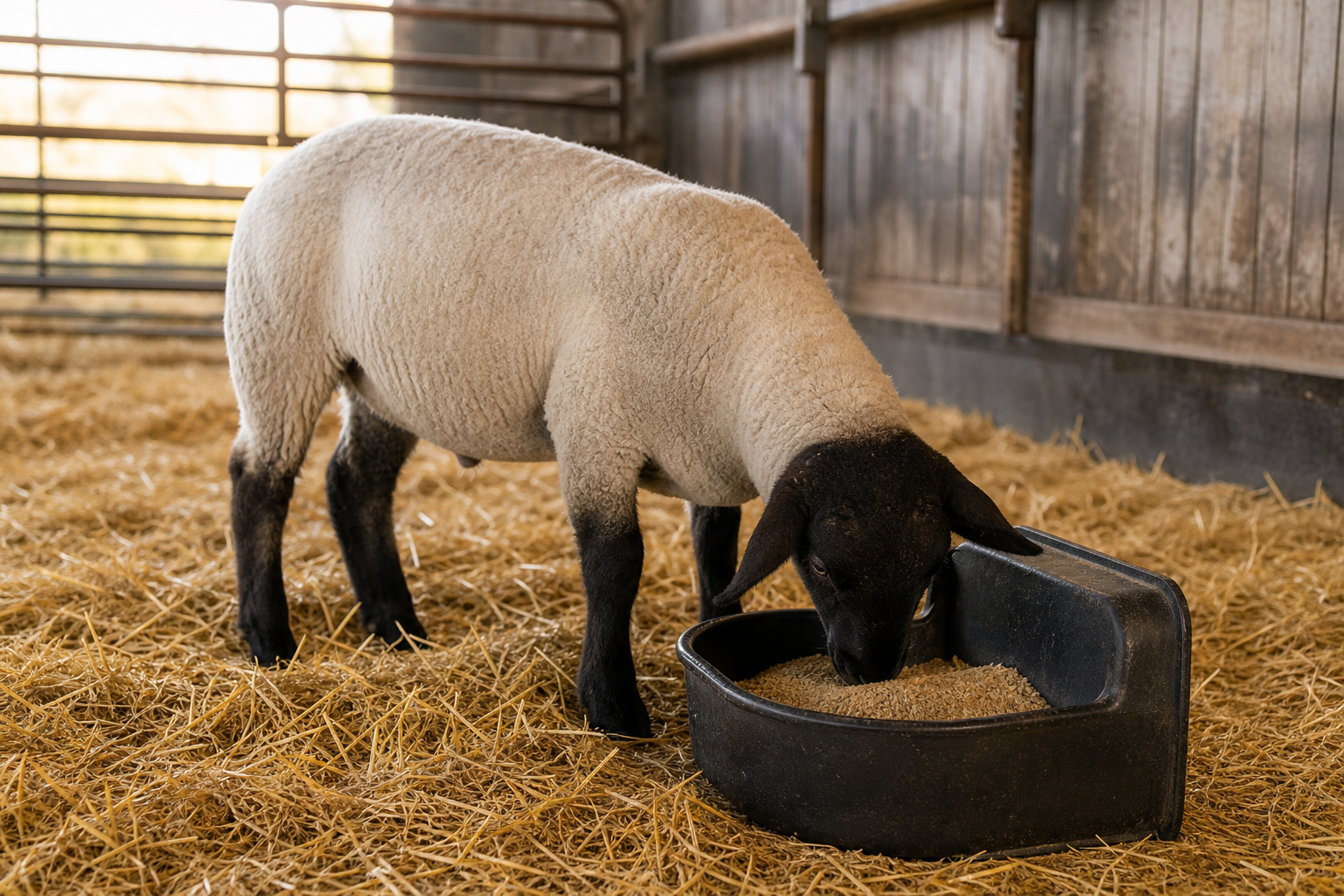
Maintain the lamb’s established balanced ration and normal water intake, and do not expect supplements to accelerate shag regrowth. No feed additive can force several weeks of regrowth to happen in a few days.
Protect What Is Growing
Keep bedding clean and dry, remove rough wire and sharp feeder edges, minimize rubbing, and inspect the lower legs directly every day.
Do not improvise a leg covering. If leg-specific coverings are an accepted practice in your program, they must be properly fitted and monitored so they do not trap moisture, rub the skin, or abrade the regrowth.
Protection cannot create shag growth. It can only help preserve the growth the lamb produces.
A Practical Final-Week Plan
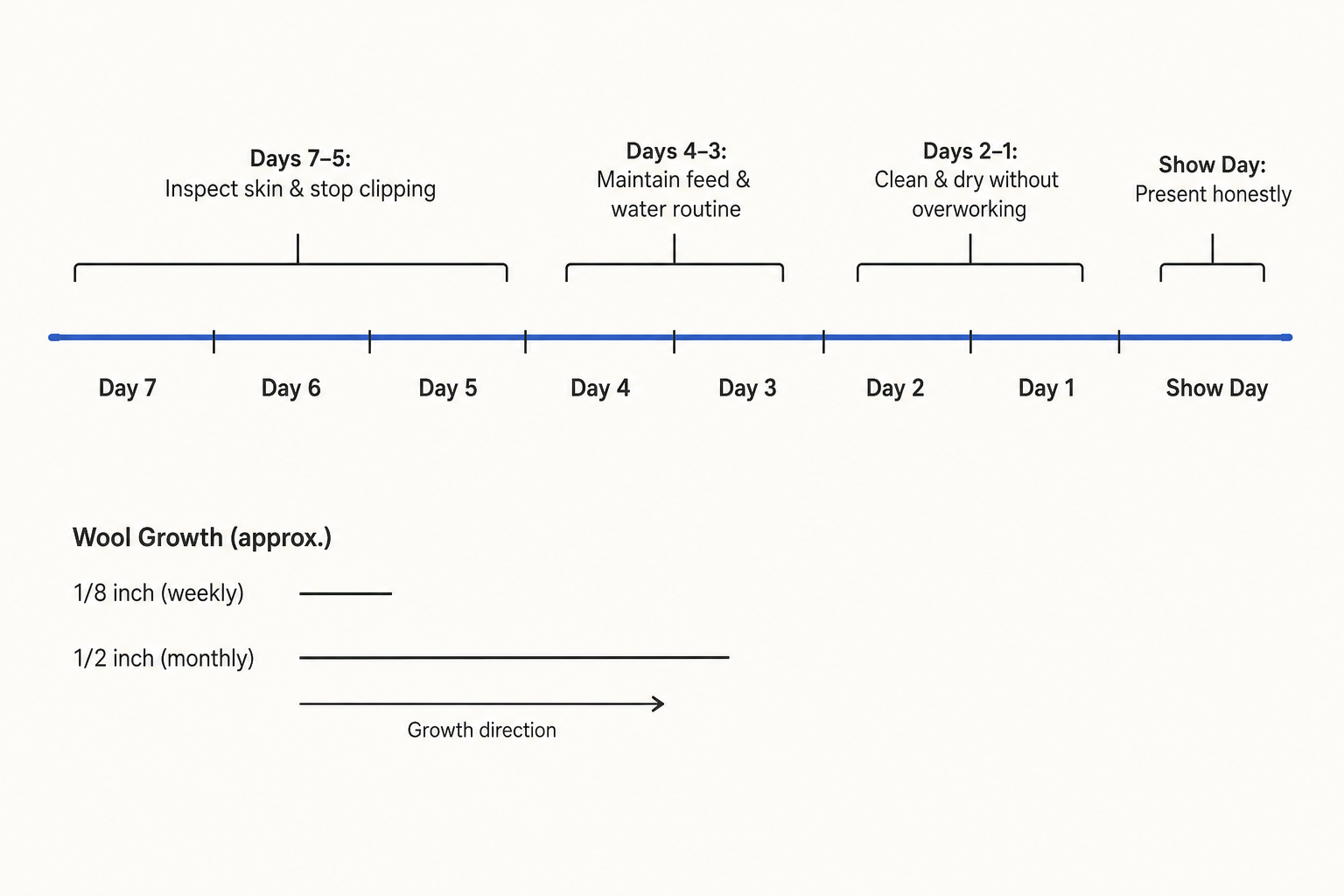
If the show is one week away, use the remaining time to protect the skin and preserve whatever shag regrows.
Know When the Show Is No Longer the Priority
Do not take a lamb with suspicious contagious lesions into a shared show environment. If the skin is crusted, weeping, marked by circular areas of wool loss, painful, or getting worse, call your veterinarian and notify the appropriate show personnel as needed.
If the leg is painful or the lamb shows signs of systemic illness alongside the skin problem, call your veterinarian rather than treating it as a fitting issue.
A short patch of shag can be frustrating, but panic usually creates the bigger problem. Stop shearing the area, keep the skin calm, maintain the lamb’s routine, and give natural growth the one ingredient nobody can scoop from a bag: time.
- Shag regrows gradually over weeks, not days, and the rate varies by lamb and conditions.
- Inspect red, flaky, crusted, or itchy skin before treating the problem as simple slow regrowth.
- Maintain the established ration and water intake; supplements cannot force rapid shag regrowth, and minerals must be labeled for sheep.
- Avoid shearing the area again, excessive washing, moisture, and rubbing while the shag regrows.